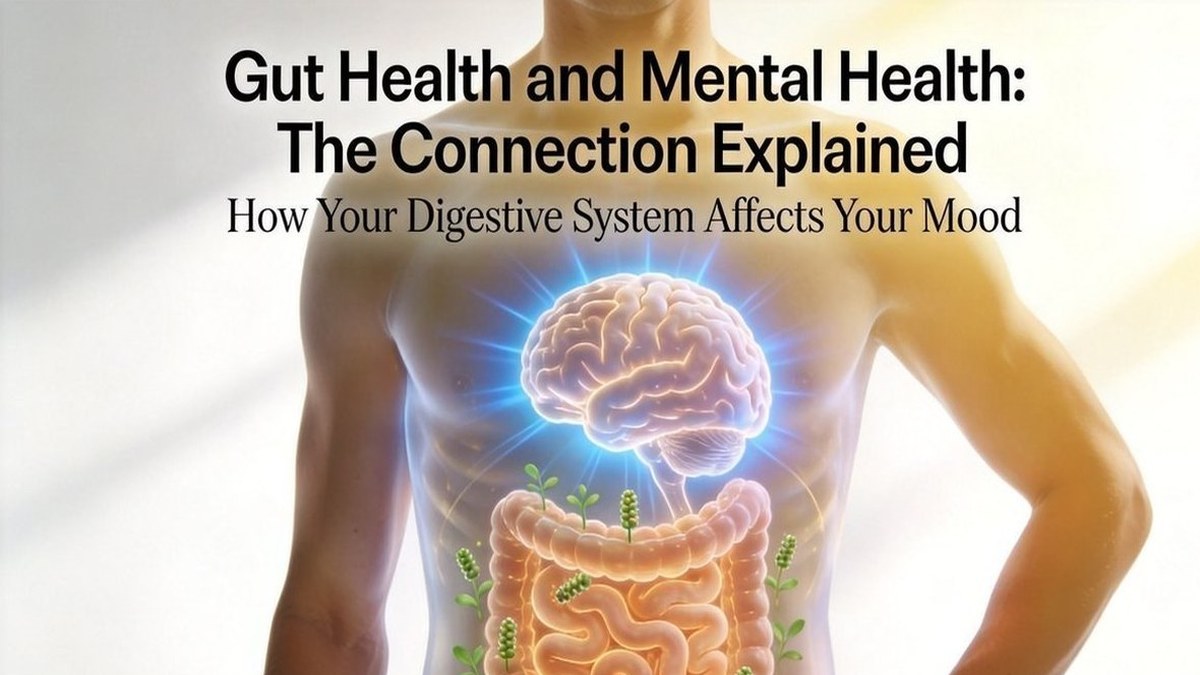
The Gut-Brain Axis: The Hidden Bridge Between Your Digestive System and Mental Health
For decades, scientists treated the brain and the gut as separate entities—one responsible for cognition and emotion, the other for digestion and nutrient absorption. But a growing body of research has shattered that assumption. The gut and brain are in constant, bidirectional communication through what is now known as the gut-brain axis. This complex network includes the vagus nerve, the enteric nervous system (sometimes called the "second brain"), and a vast array of chemical messengers. Mounting evidence suggests that the state of your gut microbiome—the trillions of bacteria, fungi, and viruses living in your digestive tract—can profoundly influence your mood, anxiety levels, and even your risk of depression.
This article will explore the science behind this connection, highlight key evidence, and provide actionable steps you can take to support your gut health—and, in turn, your mental well-being. The data is clear: a healthy gut is a cornerstone of a healthy mind.
The Science Behind the Gut-Brain Connection
The gut-brain axis relies on several key pathways to communicate. The vagus nerve, the longest cranial nerve in the body, acts as a superhighway, carrying signals from the gut to the brain and back. Additionally, the gut microbiome produces a wide range of neurotransmitters—chemicals that regulate mood and cognition. For example, certain gut bacteria synthesize gamma-aminobutyric acid (GABA), a neurotransmitter that reduces anxiety, and others produce serotonin, the "feel-good" chemical that influences happiness and sleep.
Beyond neurotransmitters, the microbiome also modulates the immune system and inflammation. A disrupted gut lining—often called "leaky gut"—can allow bacterial fragments and inflammatory molecules to enter the bloodstream. These substances can travel to the brain and trigger neuroinflammation, a condition linked to depression, chronic fatigue, and brain fog.
- Neurotransmitter production: Up to 90% of serotonin and 50% of dopamine are produced in the gut.
- Hypothalamic-pituitary-adrenal (HPA) axis: Gut bacteria regulate the body’s stress response system. Imbalances can lead to elevated cortisol levels.
- Short-chain fatty acids (SCFAs): Produced by beneficial bacteria from dietary fiber, SCFAs strengthen the gut barrier and reduce inflammation, protecting the brain.
How Gut Imbalance Affects Mental Health
When the gut microbiome becomes dysbiotic—meaning harmful bacteria outnumber beneficial ones—the consequences can ripple to the brain. Research has linked gut dysbiosis with higher rates of anxiety, depression, and even neurodevelopmental conditions like autism spectrum disorder (ASD). One landmark study published in Psychiatry Research found that participants with major depressive disorder had significantly lower levels of beneficial bacteria such as Lactobacillus and Bifidobacterium compared to healthy controls.
Animal studies provide compelling causal evidence. When scientists transplant gut bacteria from anxious or depressed humans into germ-free mice, the mice begin to exhibit similar behaviors. This suggests that the microbiome doesn't just correlate with mental health—it can drive it. Also, chronic stress itself alters gut permeability and bacterial composition, creating a vicious cycle: stress harms the gut, and a harmed gut makes you more vulnerable to stress.
“A landmark meta-analysis of 45 studies found that individuals with irritable bowel syndrome (IBS) are 3.5 times more likely to develop major depression, and 4 times more likely to have an anxiety disorder—a powerful marker of the gut-brain connection. Meanwhile, 90% of the body’s serotonin is produced in the gut, not the brain.” — Dr. Emeran Mayer, author of The Mind-Gut Connection
Key Evidence and Clinical Insights
The evidence is not limited to correlations. Randomized controlled trials (RCTs) have begun to test whether modulating the gut microbiome can improve mental health outcomes. For instance, a 2019 RCT in Nutrients reported that a multi-strain probiotic supplement significantly reduced depression scores in patients with major depressive disorder over eight weeks compared to placebo. Another study found that a diet rich in fermented foods—like yogurt, kimchi, and sauerkraut—increased microbiome diversity and reduced self-reported daily stress.
Other key findings include:
- Probiotics and anxiety: A systematic review in General Hospital Psychiatry concluded that probiotics (especially strains of Lactobacillus and Bifidobacterium) reduced anxiety symptoms in both healthy and clinical populations.
- Prebiotic fiber: Polymeric fibers like inulin and fructooligosaccharides feed beneficial bacteria, leading to lower cortisol awakening responses and improved emotional processing.
- Fecal microbiota transplantation (FMT): Early studies in humans show that FMT from healthy donors can reduce depressive symptoms in some patients, though more research is needed.
Actionable Steps to Improve Gut Health for Better Mental Health
You don't need a prescription to start supporting your gut-brain axis. Evidence-based lifestyle changes can make a measurable difference. Focus on the following strategies:
- Prioritize a diverse, fiber-rich diet. Aim for 30–40 grams of fiber daily from vegetables, fruits, legumes, nuts, and whole grains. Fiber fuels beneficial bacteria that produce SCFAs.
- Incorporate fermented foods. A study from Stanford University found that a diet high in fermented foods (e.g., kefir, kombucha, kimchi, sauerkraut) increased microbiome diversity and reduced markers of inflammation over 10 weeks.
- Consider a high-quality probiotic. Choose a multi-strain probiotic with documented strains (like Lactobacillus plantarum 299v, Bifidobacterium longum R0175). Look for at least 10–20 billion CFUs daily.
- Limit processed foods, added sugars, and artificial sweeteners. These can feed pathogenic bacteria and damage the gut lining.
- Manage stress proactively. Practices like mindfulness, yoga, and deep breathing can lower cortisol and positively alter the microbiome. Even short daily sessions of 10 minutes have shown benefit.
- Get adequate sleep. The gut microbiome follows a circadian rhythm. Disrupted sleep reduces microbiome diversity and increases inflammation.
The Bottom Line: Your Gut Holds the Key to a Healthier Mind
The connection between gut health and mental health is no longer a fringe idea—it is a robust, scientifically validated relationship. From neurotransmitter production to immune modulation, the microbiome exerts a powerful influence over your mood, anxiety levels, and resilience. While psychiatric medications and therapy remain essential for many, optimizing your gut health offers a complementary, side-effect-free way to support your mental health journey.
Start small: add one new fiber-rich meal this week or try a probiotic for a month. Keep a mood journal to track changes. As the research continues to evolve, one thing is clear: by nurturing the microbes inside you, you can build a stronger, calmer, and more balanced mind.
Addressing the connection between gut health and mental health effectively often requires a multi-layered approach that combines professional support with daily self-care practices. While therapy and medication can be essential components of treatment for many individuals, incorporating evidence-based techniques such as cognitive behavioral therapy (CBT) principles, controlled breathing exercises, and physical activity into your routine can significantly enhance your overall well-being. The key is to find strategies that fit naturally into your lifestyle and to practice them consistently, even on days when you feel well, to build resilience against future stressors.
The connection between mental and physical health is well-established in medical literature, with studies showing that individuals who address their mental health concerns often experience improvements in physical conditions such as chronic pain, digestive issues, and sleep disorders. If you are experiencing symptoms of anxiety or depression, reaching out to a mental health professional is a sign of strength, not weakness. Many therapists now offer teletherapy sessions, making mental health care more accessible than ever for those with busy schedules or limited access to in-person services.
This article is intended for general informational purposes and should not replace professional medical advice, diagnosis, or treatment. Every individual health situation is unique, and what works for one person may not be appropriate for another. Always consult with a qualified healthcare provider before making any changes to your diet, exercise routine, medication regimen, or other health practices. Your doctor can help you develop a personalized plan that takes into account your medical history, current medications, and specific health goals, ensuring that you receive care that is safe, effective, and tailored to your individual needs.
Building a daily self-care routine is essential for managing mental health concerns and preventing relapse. Simple practices such as setting aside ten minutes each morning for quiet reflection, maintaining a regular sleep schedule, and engaging in activities that bring you joy can have a profound cumulative effect on your emotional well-being. Social connection is equally important; reaching out to trusted friends or family members, joining a support group, or participating in community activities can reduce feelings of isolation and provide a valuable network of support during difficult times.
Breathing exercises are a simple yet powerful tool for managing anxiety and stress in the moment. The 4-7-8 technique, popularized by Dr. Andrew Weil, involves inhaling through your nose for four counts, holding your breath for seven counts, and exhaling slowly through your mouth for eight counts. Practicing this technique for just a few minutes can activate your parasympathetic nervous system, reducing heart rate and promoting a sense of calm. Regular practice strengthens your ability to manage stressful situations with greater ease and composure over time.
The gut-brain axis is a bidirectional communication system between your gastrointestinal tract and your central nervous system, involving neural pathways, hormones, and immune signaling. This connection explains why stress and anxiety can trigger digestive symptoms and why improving your gut health through diet and probiotics may positively influence your mood and mental clarity. Fermented foods such as yogurt, kefir, sauerkraut, and kimchi are rich in beneficial bacteria that support this axis.