1. Adopt the DASH Diet (Dietary Approaches to Stop Hypertension)
High blood pressure affects nearly half of all adults in the U.S., according to the CDC, and medication isn't always the first line of defense. The DASH diet, developed by the National Heart, Lung, and Blood Institute (NHLBI), is a clinically proven eating plan designed to lower blood pressure and reduce heart disease risk without prescription drugs.
The DASH diet can lower systolic blood pressure by 8 to 14 mmHg--an effect comparable to some hypertension medications, according to NHLBI research.
The diet emphasizes nutrient-dense foods rich in potassium, magnesium, and calcium, which help relax blood vessels and reduce fluid retention. Key components include plenty of fruits, vegetables, whole grains, lean proteins, and low-fat dairy. It also limits saturated fat, added sugars, and sodium, which are known to raise blood pressure.
To get started, aim for 4-5 servings of vegetables and 4-5 servings of fruits daily. Swap refined grains like white bread for whole wheat or quinoa, and choose skinless chicken, fish, or legumes over red meat. Avoid processed snacks and canned foods with added salt, and opt for herbs and spices instead of salt to flavor meals.
2. Prioritize Regular, Moderate Physical Activity
Physical activity is one of the most effective non-pharmaceutical ways to lower blood pressure. The CDC recommends 150 minutes of moderate-intensity exercise per week--such as brisk walking, cycling, or swimming--for adults. This consistent effort can reduce systolic blood pressure by 5 to 8 mmHg, according to the American Heart Association (AHA).
Moderate exercise works by strengthening the heart, so it doesn't have to pump as hard to circulate blood. It also improves blood vessel flexibility, allowing them to expand and contract more efficiently. Even short bursts of activity, like 10-minute walks three times a day, can add up to meet the weekly requirement.
In addition to cardio, incorporating 2 days of strength training per week can provide extra benefits. Lifting weights or doing bodyweight exercises like squats and push-ups helps build muscle, which boosts metabolism and improves overall cardiovascular health. Be sure to warm up before each session and cool down afterward to avoid injury.
3. Reduce Sodium Intake (and Increase Potassium)
Excess sodium is a major contributor to high blood pressure, as it causes the body to retain water, increasing the volume of blood and putting extra strain on blood vessels. The AHA recommends limiting sodium intake to no more than 1,500 mg per day for most adults--about half a teaspoon of salt.
Most people consume far more sodium than they realize, with 70% of daily intake coming from processed and restaurant foods. Common culprits include canned soups, frozen dinners, deli meats, and fast food. To cut back, read nutrition labels carefully and choose products with less than 140 mg of sodium per serving.
Pairing sodium reduction with increased potassium intake can amplify blood pressure-lowering effects. Potassium helps flush excess sodium from the body through urine. Aim for 4,700 mg of potassium daily by eating foods like sweet potatoes, avocados, bananas, spinach, and salmon. A 2022 study in the Journal of the American College of Cardiology found that each 1,000 mg increase in potassium was associated with a 1 mmHg reduction in systolic blood pressure.
4. Manage Chronic Stress with Evidence-Based Techniques
Chronic stress triggers the release of cortisol and adrenaline, hormones that temporarily raise blood pressure by narrowing blood vessels and increasing heart rate. Over time, repeated stress responses can lead to sustained high blood pressure and damage to the cardiovascular system.
Mindfulness meditation is a proven tool for stress reduction. A 2023 study in JAMA Internal Medicine found that adults who practiced 10 minutes of guided meditation daily for 8 weeks saw a 3 to 5 mmHg drop in systolic blood pressure. Other effective techniques include deep breathing exercises (like the 4-7-8 method: inhale for 4 seconds, hold for 7, exhale for 8), yoga, and progressive muscle relaxation.
It's also important to identify and address the sources of stress in your life. This might involve setting boundaries at work, limiting screen time before bed, or engaging in hobbies that bring joy. Getting enough sleep--7 to 9 hours per night--can also help regulate stress hormones and keep blood pressure in check.
5. Limit Alcohol and Quit Smoking (If Applicable)
Alcohol consumption can raise blood pressure even in moderation. The AHA recommends no more than one drink per day for women and two drinks per day for men. Each standard drink (12 ounces of beer, 5 ounces of wine, or 1.5 ounces of liquor) can increase systolic blood pressure by up to 4 mmHg temporarily, and long-term heavy drinking can lead to chronic hypertension.
Smoking is another major risk factor for high blood pressure. Nicotine causes an immediate spike in blood pressure and heart rate, and over time, it damages the lining of blood vessels, making them less flexible. Quitting smoking can lower blood pressure within 20 minutes of the last cigarette, and within one year, the risk of heart disease drops by 50% compared to current smokers.
If you struggle to quit smoking or limit alcohol, consider reaching out to a healthcare provider for support. They can recommend resources like nicotine replacement therapy, counseling, or support groups to help you make lasting changes.
Making these five lifestyle changes simultaneously can produce even greater results. A 2025 study in Circulation found that adults who adopted at least three of these strategies saw an average 12 mmHg reduction in systolic blood pressure within six months, compared to just 4 mmHg in those who adopted only one. The key is consistency: small, daily habits compound over time to create significant improvements in cardiovascular health and overall well-being.
It is worth noting that these lifestyle modifications do not require perfection. Even incremental progress--reducing sodium by 500 mg per day, adding a 15-minute walk to your routine, or practicing deep breathing for five minutes each morning--can produce meaningful reductions in blood pressure over time. The key is to start small, build momentum, and gradually incorporate more changes as each new habit becomes automatic. Many patients find that tracking their blood pressure at home provides motivation and feedback, helping them see the direct impact of their efforts on their numbers. With persistence and a comprehensive approach, lowering blood pressure without medication is not only possible but empowering.
When it comes to 5 science-backed ways to lower your blood pressure without medication, understanding your personal risk factors is the first step toward effective prevention and management. Regular cardiovascular screenings, including blood pressure checks, lipid panels, and glucose tests, provide your healthcare provider with the data needed to assess your risk profile accurately. Many pharmacies and community health centers offer low-cost or free screenings, making it accessible to monitor your heart health regardless of your insurance status. Tracking your numbers over time allows you and your doctor to detect concerning trends before they develop into serious conditions requiring more aggressive intervention.
Lifestyle modifications remain the cornerstone of cardiovascular disease prevention, and even modest changes can produce significant results. Studies published in the Journal of the American College of Cardiology have shown that reducing sodium intake by just 1,000 milligrams per day can lower systolic blood pressure by an average of 5 to 6 millimeters of mercury in individuals with hypertension. Combined with regular aerobic exercise, stress management techniques, and adequate sleep, these lifestyle changes can be as effective as low-dose medication for many individuals with mild to moderate cardiovascular risk factors.
This article is intended for general informational purposes and should not replace professional medical advice, diagnosis, or treatment. Every individual health situation is unique, and what works for one person may not be appropriate for another. Always consult with a qualified healthcare provider before making any changes to your diet, exercise routine, medication regimen, or other health practices. Your doctor can help you develop a personalized plan that takes into account your medical history, current medications, and specific health goals, ensuring that you receive care that is safe, effective, and tailored to your individual needs.
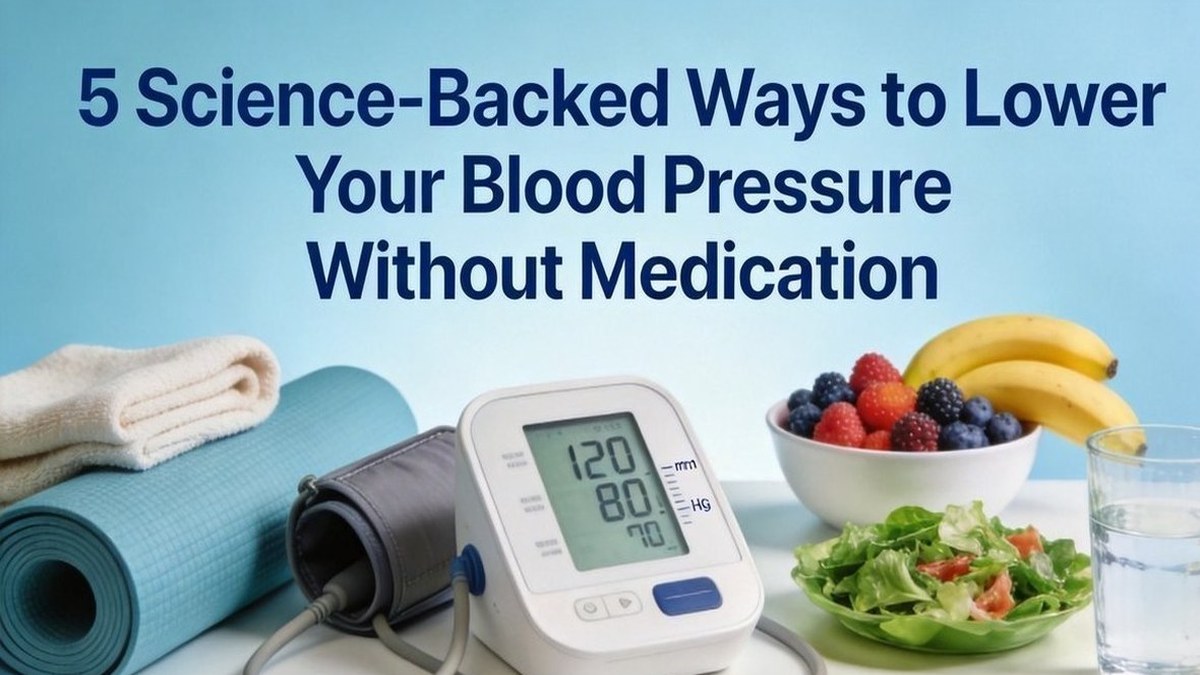
Understanding your blood pressure readings is essential for effective management. The top number, systolic pressure, measures the force against your artery walls when your heart beats, while the bottom number, diastolic pressure, measures the pressure between beats. A reading of 120/80 is considered normal, while 130/80 or higher indicates hypertension. Home monitoring devices are affordable and widely available, and taking readings at the same time each day provides your doctor with valuable data to guide treatment decisions. Keep a log of your readings, including the date, time, and any notes about what you were doing before the measurement.
Adopting the DASH (Dietary Approaches to Stop Hypertension) eating plan is one of the most effective dietary strategies for managing blood pressure. This approach emphasizes fruits, vegetables, whole grains, lean proteins, and low-fat dairy while limiting sodium, saturated fat, and added sugars. Studies published in the New England Journal of Medicine have shown that the DASH diet can lower systolic blood pressure by up to 11 millimeters of mercury in individuals with hypertension, an effect comparable to some medications. Combining the DASH diet with reduced sodium intake amplifies these benefits significantly.