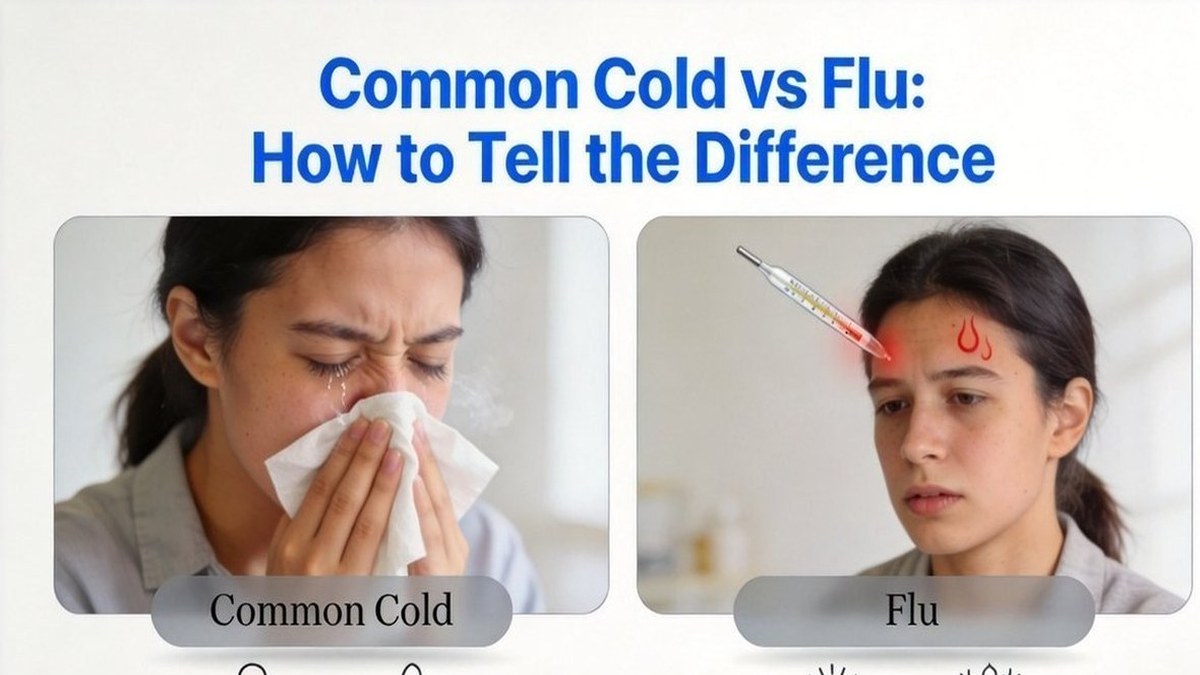
Common Cold vs Flu: How to Tell the Difference
Every year, millions of Americans experience respiratory symptoms, often wondering whether they are dealing with a common cold or the flu (influenza). While both are viral infections that affect the respiratory tract, they are caused by different viruses and have distinct patterns of severity, onset, and complications. According to the Centers for Disease Control and Prevention (CDC), influenza leads to 140,000 to 710,000 hospitalizations annually in the United States alone. Misidentifying these conditions can delay appropriate care and increase the risk of spreading the virus to vulnerable populations. Understanding the telltale signs, backed by science, empowers you to take the right action swiftly.
Key Symptom Differences: Fever, Body Aches, and More
The most reliable way to differentiate a cold from the flu is to evaluate the nature and intensity of symptoms. The CDC and infectious disease specialists emphasize that while colds are generally mild and nasal-focused, the flu is a systemic illness that hits the entire body harder and faster.
- Fever: The flu almost always involves a sudden high fever (100.4°F or higher), especially in children. Colds rarely cause fever; when they do, it is usually low-grade.
- Body aches and fatigue: Severe muscle aches, joint pain, and extreme tiredness are hallmarks of the flu. Cold-related aches are mild or absent.
- Headache: A pounding headache is common with influenza but less so with a cold.
- Nasal symptoms: Runny or stuffy nose, sneezing, and sore throat are more prominent in colds. While flu can include nasal congestion, it is usually less severe.
- Cough: A dry, hacking cough is typical of the flu and can persist for weeks. Colds often produce a milder, productive cough (with mucus).
- Sore throat: Very common in colds (often first symptom). In flu, sore throat can occur but is not as prominent.
Medical Expert Tip: “If you wake up feeling fine and within hours develop a sudden fever, chills, and severe body aches, it is almost certainly influenza. Colds creep up over a day or two,” says Dr. Michael Ison, an infectious disease specialist. “The flu’s abrupt onset is one of its most distinguishing features.”
Onset, Duration, and Contagious Period
Another critical difference lies in the timeline. The incubation period for a cold is typically 1–3 days after exposure, while the flu’s incubation period is slightly shorter, about 1–4 days. However, the hallmark of influenza is its explosive onset: symptoms often appear within hours, not days.
Duration: A common cold usually resolves within 7–10 days. The flu’s acute phase lasts 3–7 days, but fatigue and cough can linger for two weeks or more. Post-viral cough syndrome is particularly common after influenza.
Contagious period: Both illnesses are contagious from about one day before symptoms start to 5–7 days after onset. However, children and immunocompromised individuals may shed flu virus for longer. The flu tends to be more contagious in the first 3–4 days of illness, which is why early antiviral treatment is crucial.
Complications: When the Flu Turns Dangerous
One of the most important reasons to distinguish between cold and flu is the risk of complications. The common cold rarely leads to serious health problems. In contrast, influenza can cause severe complications such as pneumonia, myocarditis, encephalitis, and multi-organ failure, especially in high-risk groups: young children, adults over 65, pregnant women, and people with chronic conditions (asthma, diabetes, heart disease).
The CDC estimates that since 2010, flu-related hospitalizations in the U.S. have ranged from 140,000 to 710,000 per year, with 12,000 to 52,000 deaths annually. In comparison, colds are not tracked as a cause of hospitalization. If you experience difficulty breathing, persistent chest pain, confusion, seizures, or severe dehydration—seek emergency care immediately.
When to see a doctor: For colds, self-care is usually sufficient. For the flu, seek medical evaluation if you are in a high-risk group, if symptoms are severe, or if fever lasts more than three days. Antiviral medications (oseltamivir/Tamiflu, baloxavir/Xofluza) are most effective when started within 48 hours of symptom onset.
Treatment Approaches: What Works for Each
Because colds and flu are caused by different viruses, treatment strategies differ. Antibiotics are ineffective against both—they target bacteria, not viruses.
- For the common cold: Focus on symptom relief. Rest, hydration, saltwater gargles, honey for cough (in adults and children over 1), and over-the-counter decongestants or pain relievers (acetaminophen/ibuprofen) can ease discomfort. Zinc lozenges may shorten duration if started within 24 hours (though evidence is mixed). Vitamin C does not prevent colds but may slightly reduce severity.
- For influenza: Antiviral drugs are the cornerstone of treatment for at-risk individuals. They reduce symptom duration by about one day and lower complication risk. Otherwise, symptom management is similar: rest, fluids, antipyretics, and cough suppressants. Avoid aspirin in children and teenagers due to Reye’s syndrome risk.
A note on fever control: Fever is the body’s natural defense against viruses. For adults, treating fever with medication is often appropriate if it causes discomfort. However, avoid over-suppressing fever in children unless advised by a pediatrician.
Prevention: Vaccination and Hygiene Are Key
The single best way to prevent influenza is annual vaccination. The CDC recommends the flu shot for everyone 6 months and older. While it is not 100% effective, it reduces the risk of severe illness, hospitalization, and death. No vaccine exists for the common cold because it is caused by over 200 different viruses (rhinoviruses, coronaviruses, adenoviruses, etc.).
Practical prevention steps for both illnesses:
- Wash hands frequently with soap and water for at least 20 seconds, or use alcohol-based hand sanitizer.
- Avoid touching your eyes, nose, and mouth.
- Stay home when you are sick to avoid infecting others.
- Cover coughs and sneezes with a tissue or your elbow.
- Clean frequently touched surfaces (doorknobs, phones, counters).
- Maintain a healthy immune system through sleep, nutrition, and stress management.
In summary, while both the common cold and flu share some symptoms, the flu is a more severe, systemic illness with abrupt onset, high fever, and significant complication risks. By recognizing the differences early, you can seek appropriate care, reduce the burden on healthcare systems, and protect those around you. When in doubt—especially during flu season—consult your healthcare provider for evaluation and possible antiviral therapy. Knowledge is your first line of defense.
Supporting your immune system through common cold vs flu: how to tell the difference involves a combination of preventive measures and lifestyle factors that work together to reduce your risk of illness. While no single supplement or food can magically boost your immunity, a diet rich in fruits, vegetables, lean proteins, and healthy fats provides the building blocks your immune cells need to function optimally. Adequate hydration, regular physical activity, and stress management also play crucial roles in maintaining a robust immune response, as chronic stress and dehydration can both suppress immune function over time.
For individuals experiencing recurrent infections or persistent inflammatory conditions, it may be helpful to work with an immunologist or allergist to identify underlying triggers or deficiencies. Blood tests can reveal whether you are deficient in key nutrients such as vitamin D, zinc, or vitamin C that are essential for immune function. Additionally, keeping a symptom diary can help you identify patterns and potential triggers that you may not have noticed otherwise, allowing you to make targeted lifestyle adjustments that reduce your symptom burden over time.
This article is intended for general informational purposes and should not replace professional medical advice, diagnosis, or treatment. Every individual health situation is unique, and what works for one person may not be appropriate for another. Always consult with a qualified healthcare provider before making any changes to your diet, exercise routine, medication regimen, or other health practices. Your doctor can help you develop a personalized plan that takes into account your medical history, current medications, and specific health goals, ensuring that you receive care that is safe, effective, and tailored to your individual needs.
Distinguishing between a common cold and the flu can help you choose the most appropriate treatment and know when to seek medical care. Colds typically develop gradually with symptoms focused on the nose and throat, such as sneezing, runny nose, and sore throat, while the flu comes on suddenly with fever, body aches, fatigue, and dry cough. Antiviral medications for the flu are most effective when started within 48 hours of symptom onset, so if you suspect you have the flu, contacting your healthcare provider promptly can make a meaningful difference in the duration and severity of your illness.
Hand hygiene remains one of the most effective ways to prevent the spread of respiratory viruses. Washing your hands thoroughly with soap and water for at least 20 seconds, especially after being in public places, before eating, and after coughing or sneezing, significantly reduces your risk of infection. When soap and water are not available, alcohol-based hand sanitizers containing at least 60 percent alcohol provide a convenient alternative. Avoiding touching your face, particularly your eyes, nose, and mouth, further reduces the chances of viruses entering your body.
If you are unsure whether your symptoms are caused by a cold or the flu, consult your healthcare provider, especially if you are at higher risk for complications due to age, pregnancy, or underlying medical conditions. Rapid influenza diagnostic tests can provide results within minutes and help guide treatment decisions, including whether antiviral medications are appropriate. Early treatment with antivirals can shorten the duration of the flu and reduce the risk of serious complications.